Dining in Zurich
Zurich
[ November 1, 2026 by behnamsarkhoshdev 0 Comments ]

Dining in Zurich

Restaurant les Halles

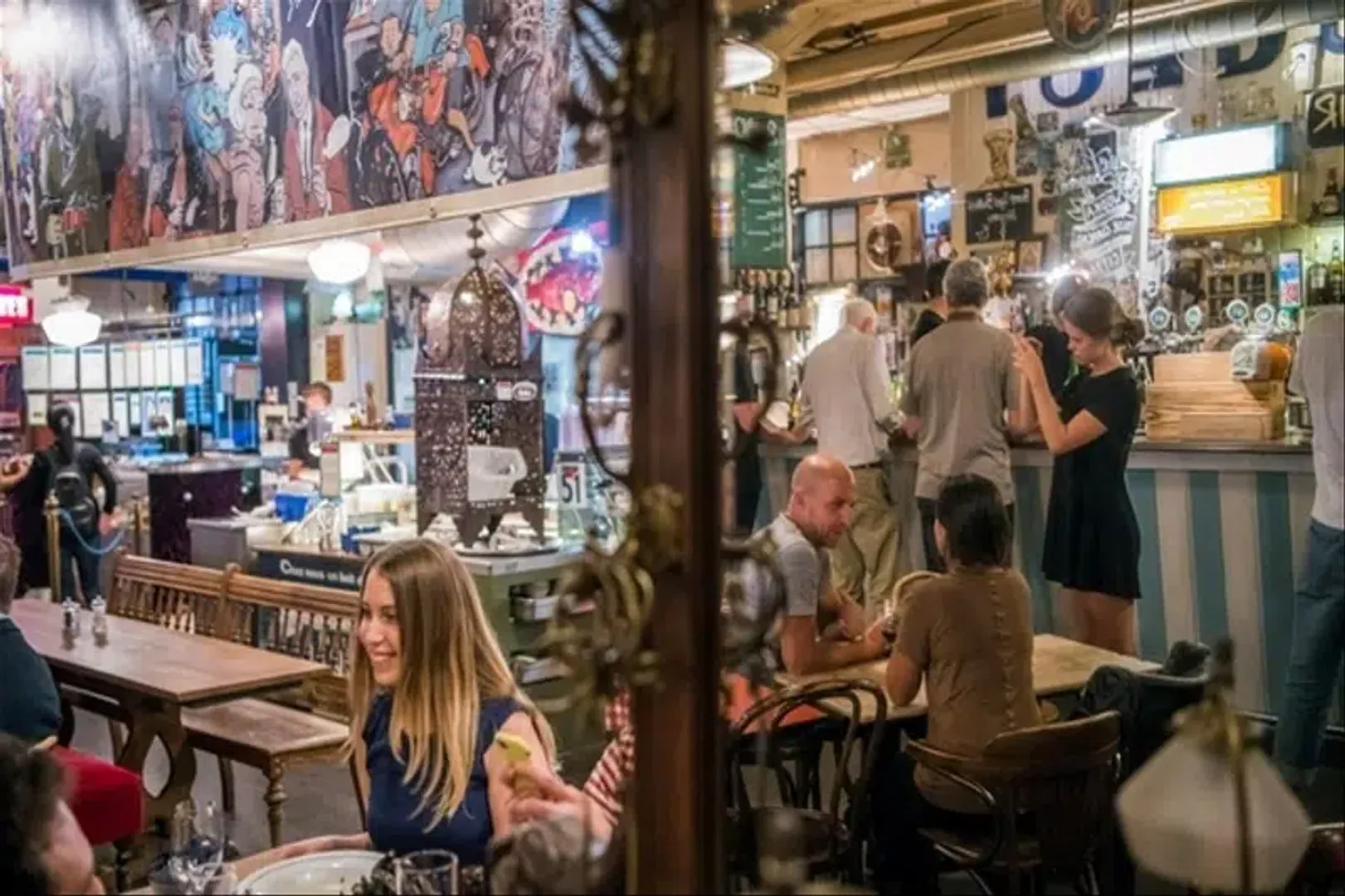
Les Halles is a converted factory, which makes it one of the most vibrant places among Zürich’s new hip restaurants. Its specialty is moules et frites, or mussels and French fries, a recipe which it has perfected. This restaurant relies on self-service in an uncomplicated and relaxed atmosphere. There is live music on certain nights and table football. The decor is eclectic with jumbled pieces of furniture and bicycles hanging from the ceiling. Additionally it features a shop selling Italian and French delicacies. One of the more reasonably priced establishments among Zürich’s high class restaurants, with a youthful crowd, Restaurant Les Halles is not to be missed.
Kronenhalle

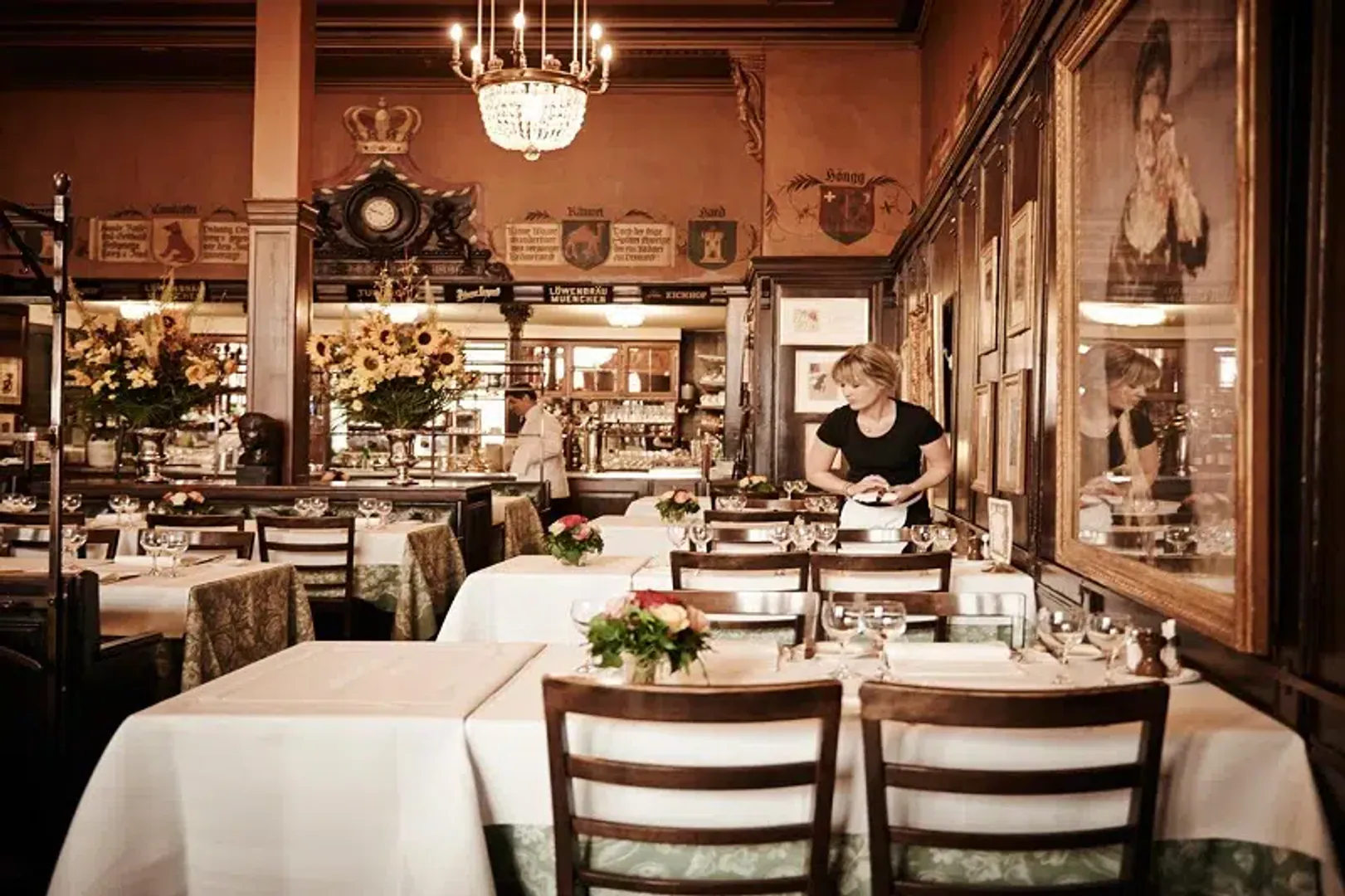
The Kronenhalle is an old gourmet institution in Zürich, focusing on regional dishes. Even the beloved Swiss author Dürrenmatt was a guest here. Expect to find original Picassos and Mirós on the wall. Make yourself comfortable and enjoy a drink at the bar before proceeding to the restaurant. The Kronenhalle has earned its reputation as a culinary landmark and has been long-time favorite for high quality Swiss cuisine.
Italia

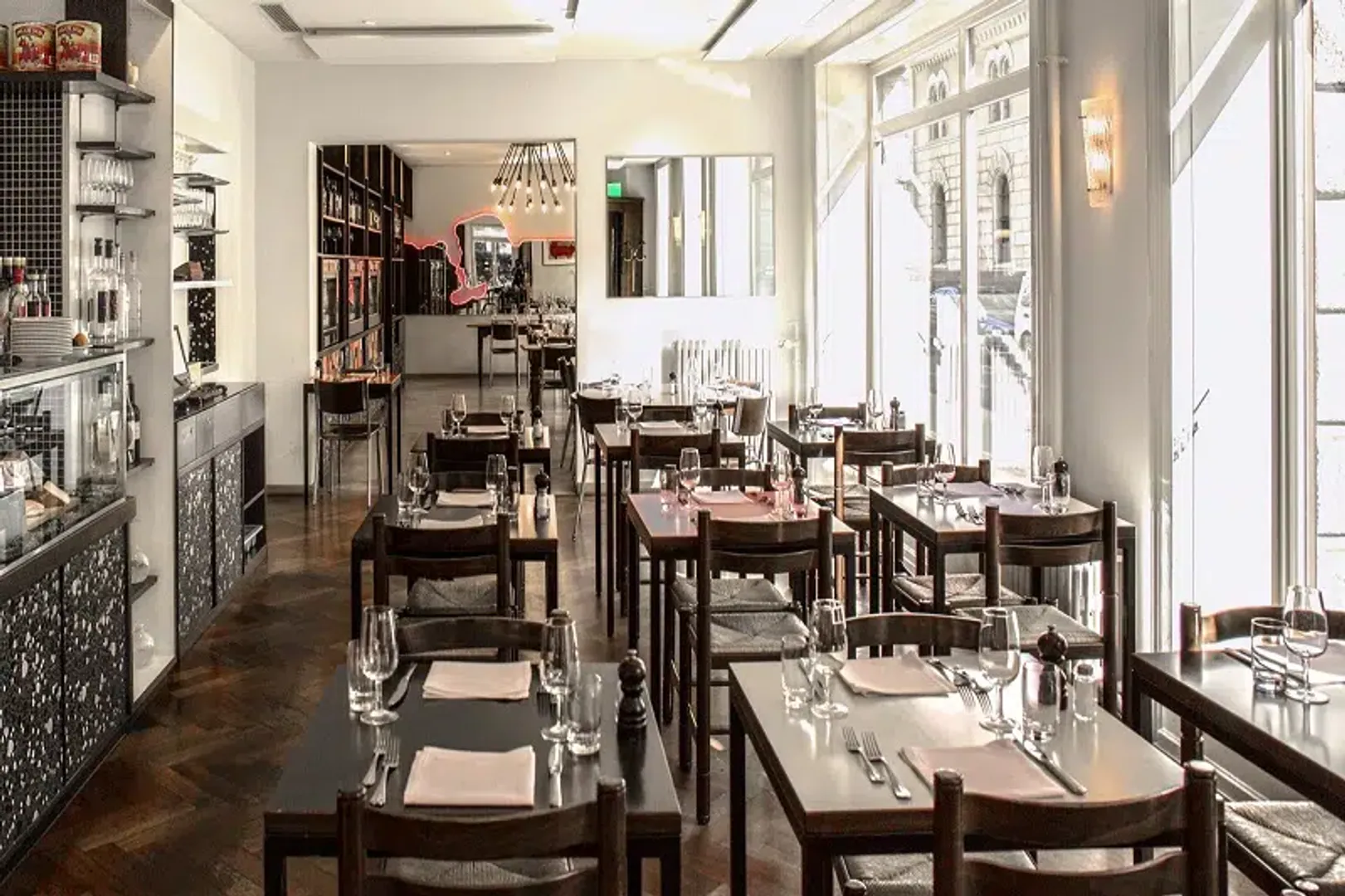
Italia is a truly Italian restaurant with genuine, traditional cuisine. The menu is short, focusing instead on selected specialties. There are no pizzas, instead it serves dishes alla nonna – real homemade cooking. The restaurant boasts a brilliant selection of meat and cheese sourced from Italy. Having developed a true passion for unpretentious, rural recipes, expect to be served some traditional pasta, containing fresh and seasonal products. If you are enthusiastic about authentic Italian cuisine, you will not be disappointed.
Volkshaus

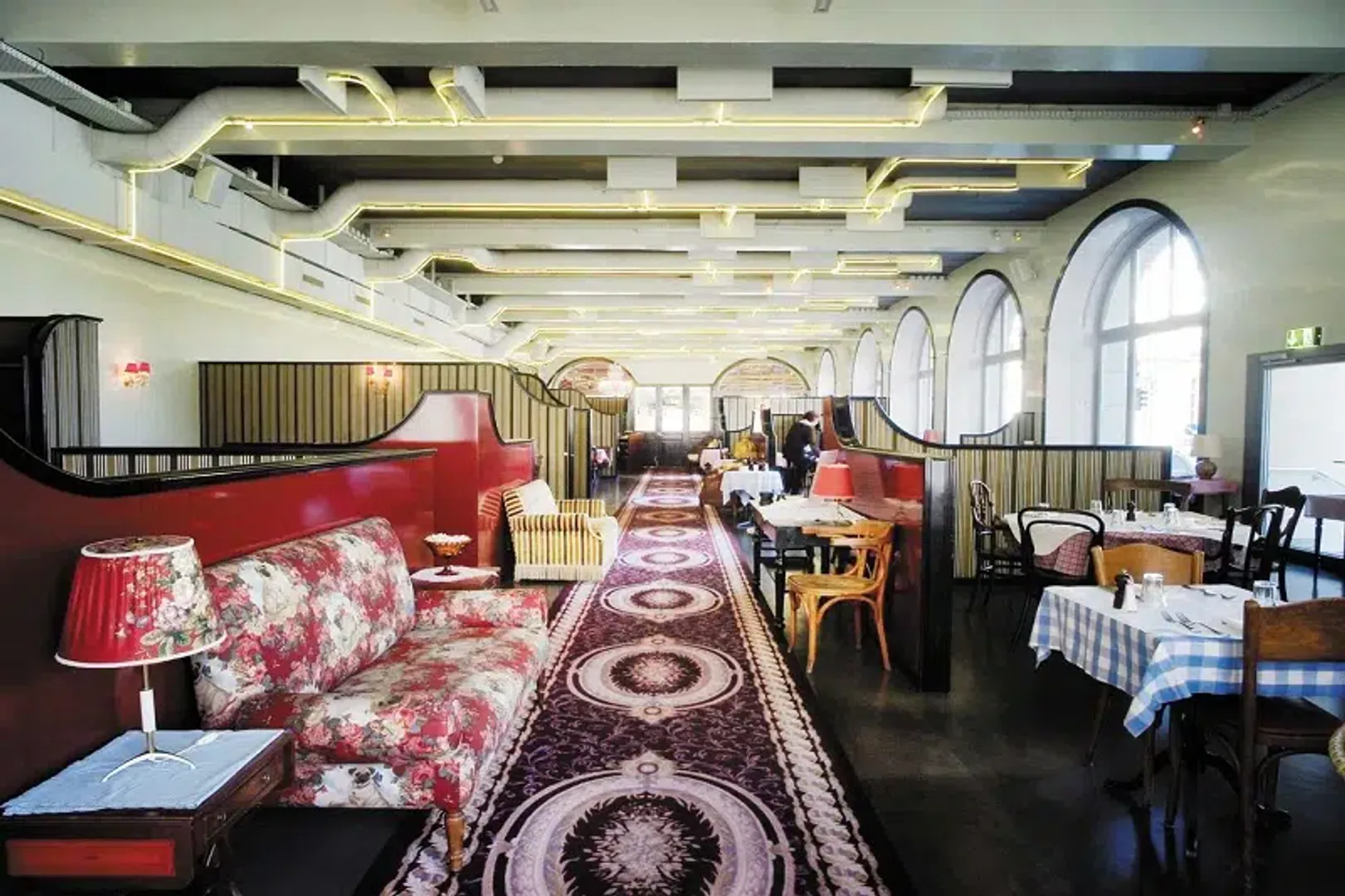
This restaurant is a favorite among those looking for a delectable eating experience in Zurich’s trendy zone four. Volkshaus is not only renowned for its traditional Swiss dishes but is also host to a variety of concerts and exhibitions. The service is old school and highly professional in a classy but private atmosphere. While it counts as a typical Swiss restaurant, this 100 year-old institution avoids becoming a standard tourist trap. Keep an eye out for the many events in this multi-purpose venue and don’t miss out on some world class Swiss dishes.
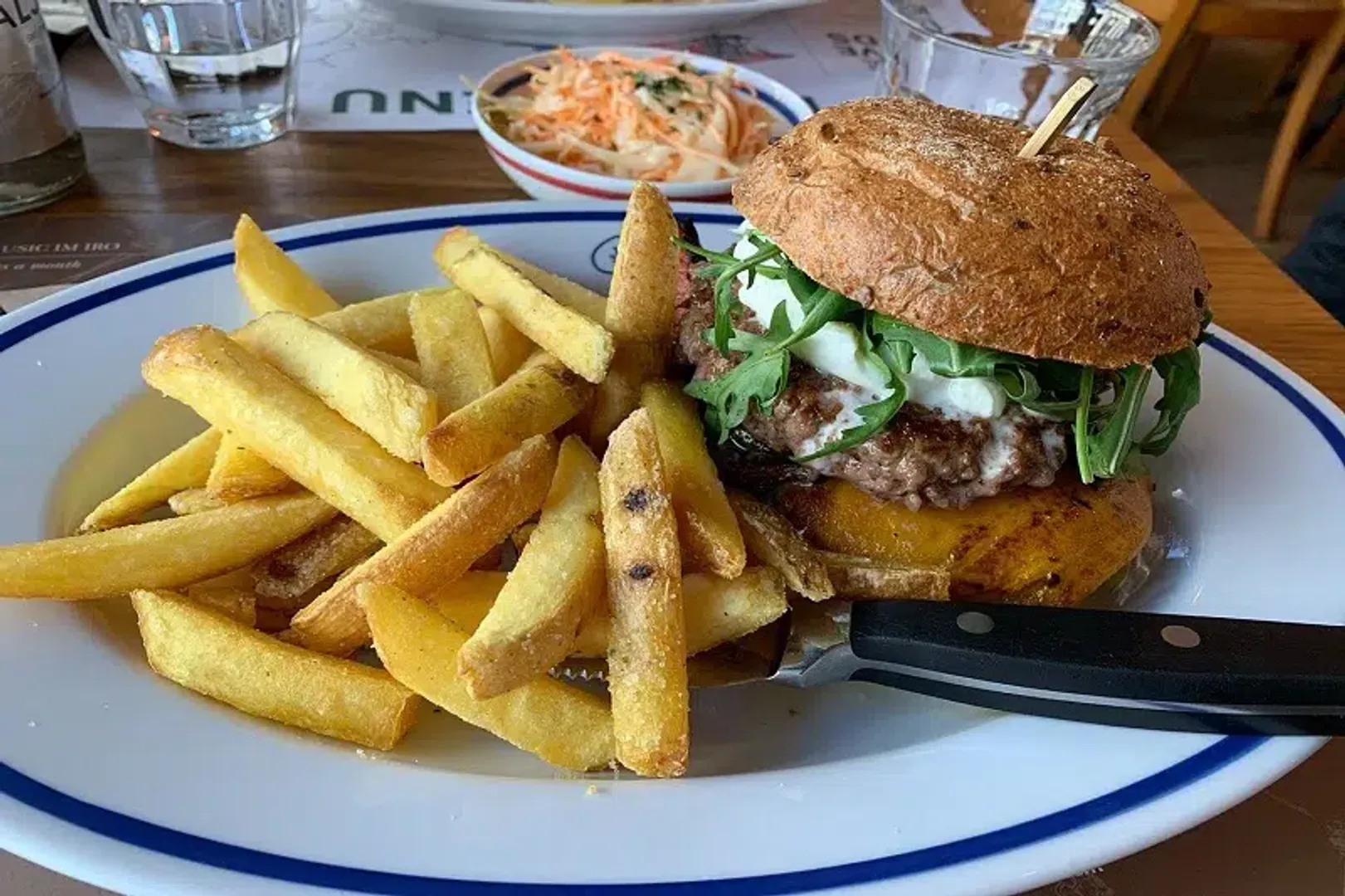
Iroqouis

This contemporary restaurant serves burgers, quesadillas and tasty weekend brunches in a relaxed atmosphere. With its light wooden walls, bleached floors and rustic interior it seems much like a country house. The Iro Grill next to the restaurant serves up a variety of meat specialties, ideal for take-away. Wander down here for one of the sport events and enjoy the hearty burgers or club sandwiches on a sunny day. Reasonable prices, great tastes and vibrant atmosphere are all on point in Iroqouis.
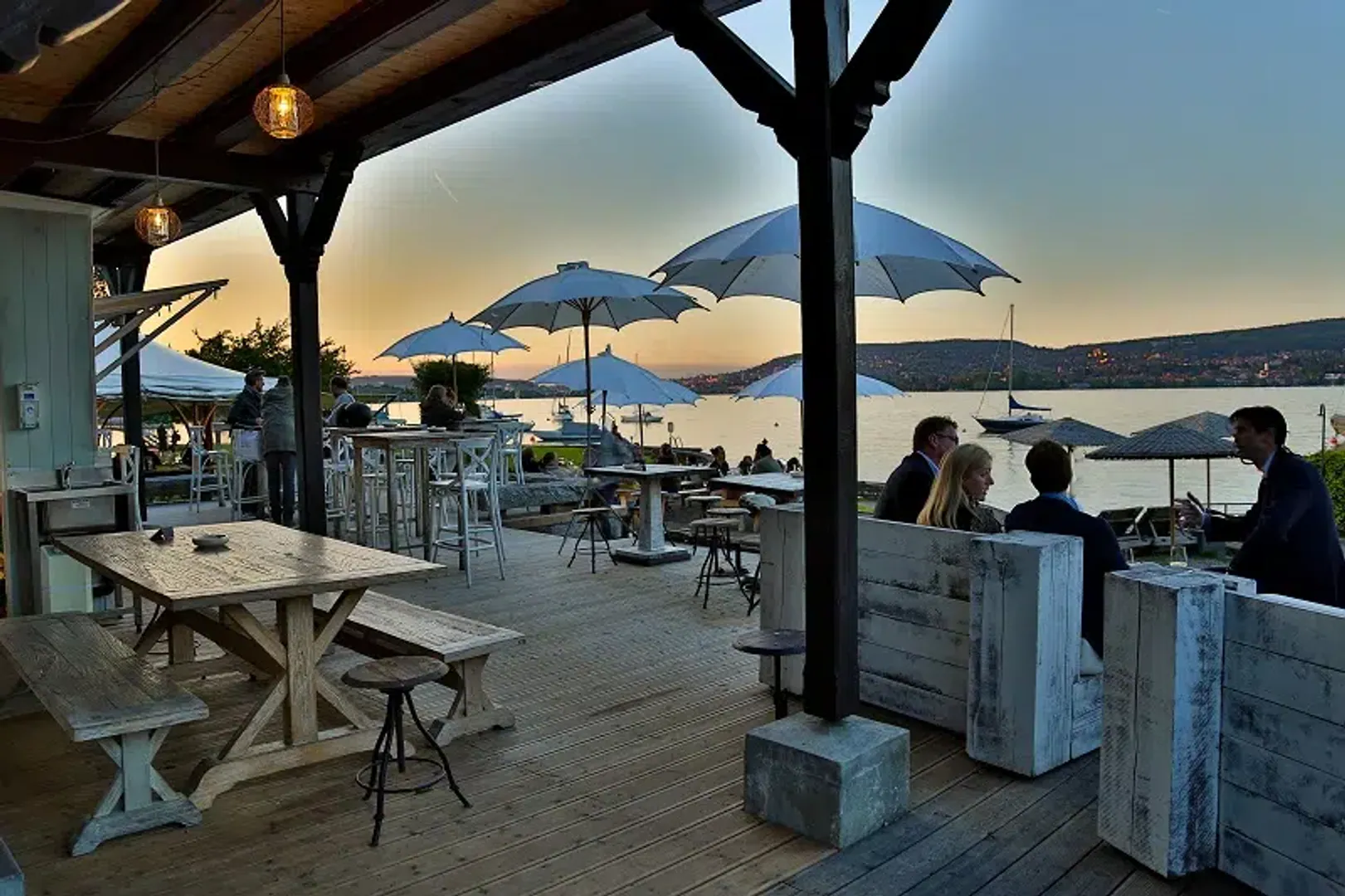
Fischer’s Fritz

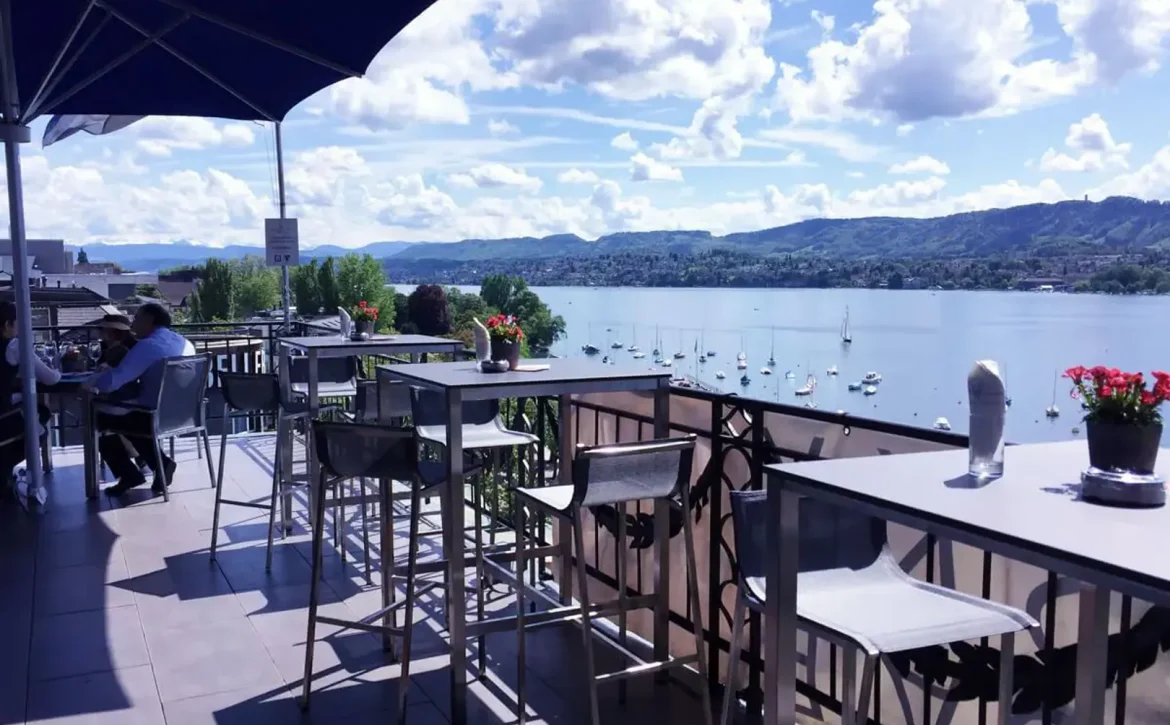
True to its name, Fischer’s Fritz is located directly on Zurich’s stunning lake; some of the fish for their dishes is even sourced directly from there. Expect fresh and tasty seafood in an ideal holiday setting. Its mixture of French bistro and Northern German touches is not only incredibly charming, but also a winning concept. Come down here for a glass of wine on a warm summer evening and unwind with a prime view over the lake.
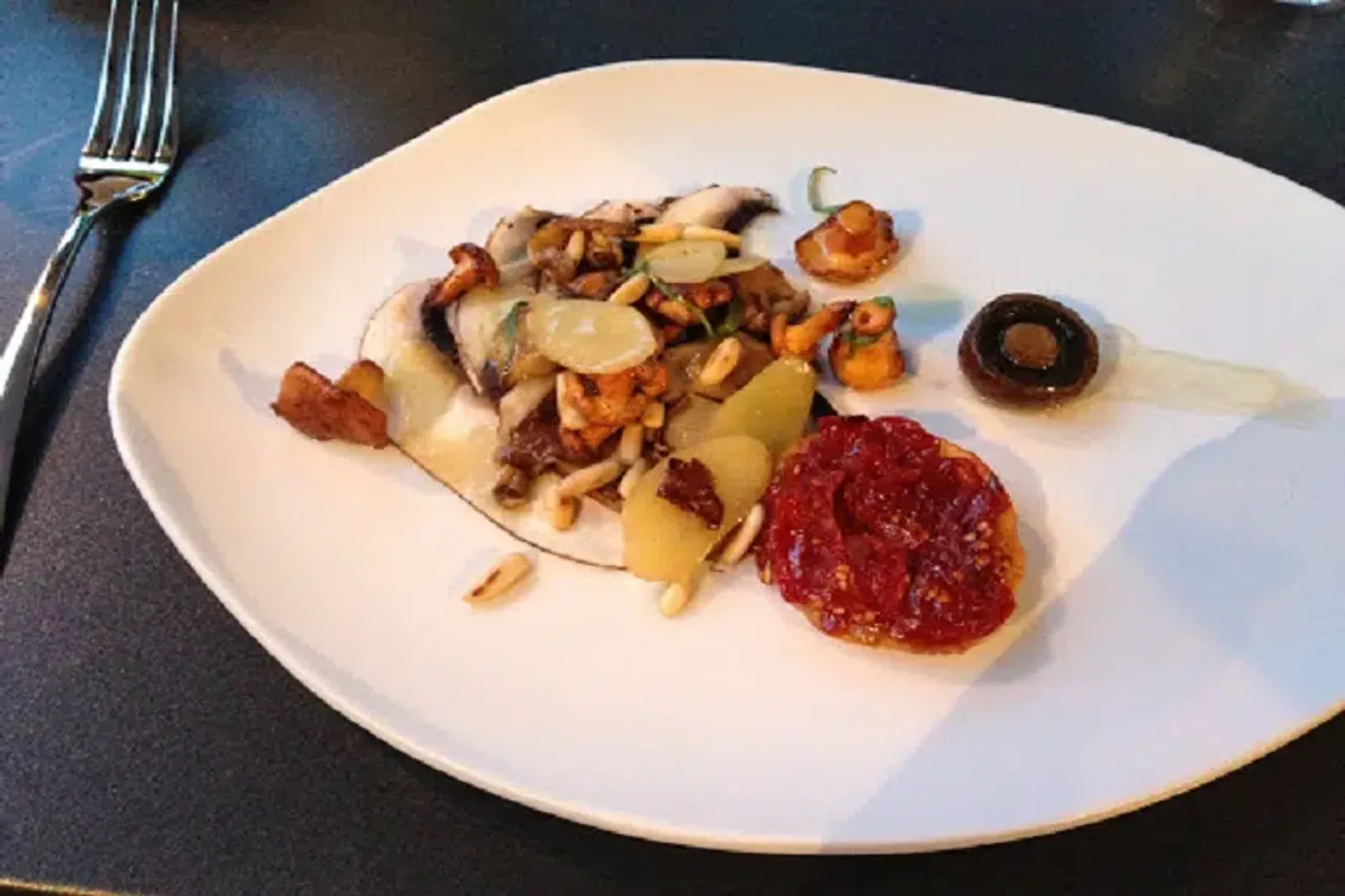
Maison Manesse

This locale is an exceptional and modern restaurant, serving both laid-back lunches as well as fine dining dishes. In the evening Maison Manesse serves experimental six or seven-course dinners. Their motto, “open for everything”, is reflected in their menu, and the restaurant successfully manages to walk the line between skillful cooking and an unpretentious eating atmosphere. Ideal for fans of exciting and unusual food with a cosmopolitan vibe, leaning on urban fusion fine dining, Maison Manesse’s innovative take on dishes has recently earned it its first Michelin star.
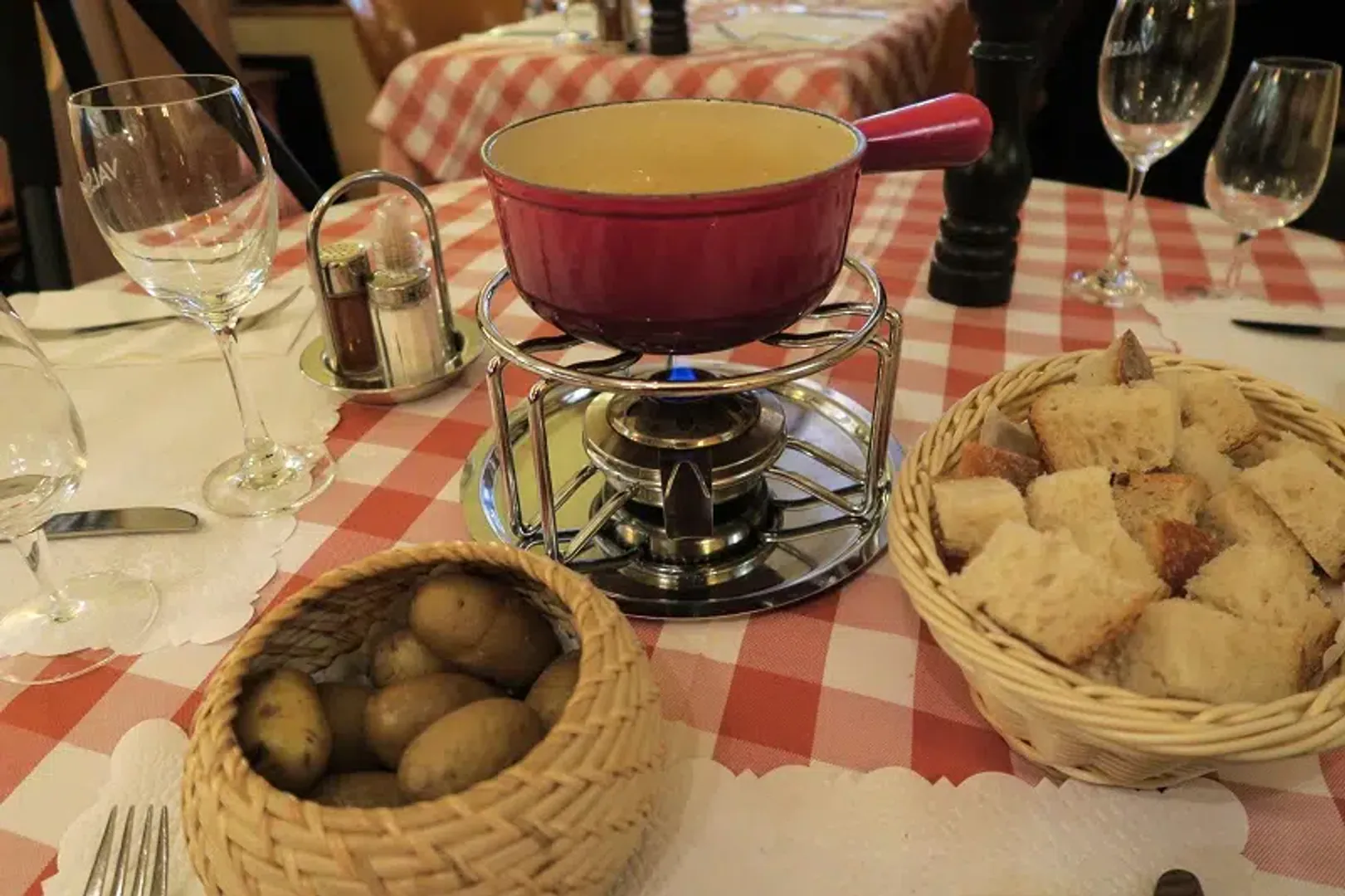
Raclette Stube

Following its name, this place serves up some of the best fondue and raclette in the city. The Raclette-Stube is open all year round and is rumored to serve some of the best cheese in the city. A definite must for a first-time visitor to Switzerland, indulge in these melted cheeses with a chilled glass of white wine in a traditional Swiss setting. Dishes are simple but incredibly tasty with helpful service. Raclette-Stube is best visited for a relaxed evening in a comfortable atmosphere.
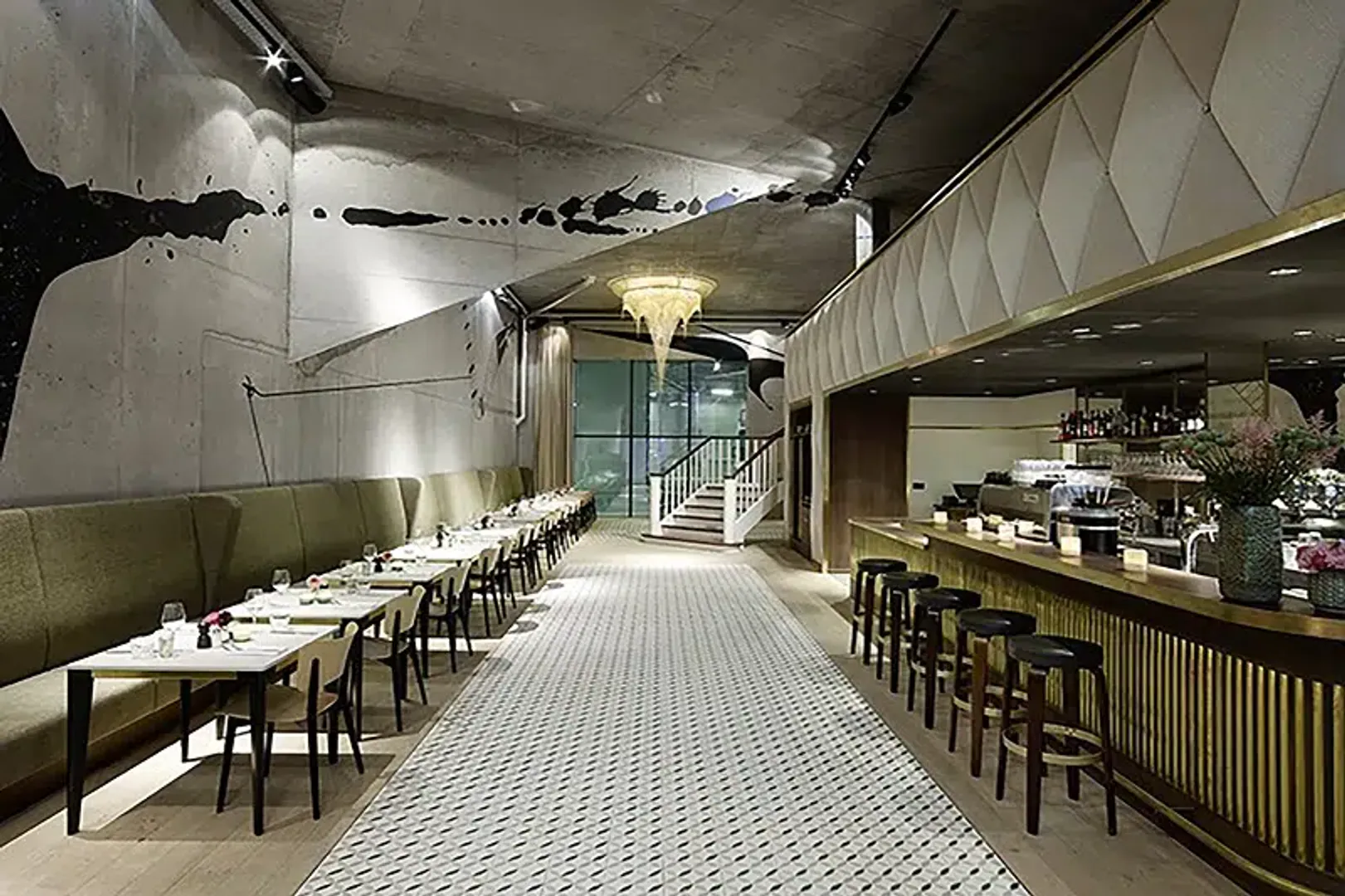
Bebek

Bebek offers Mediterranean dishes in a trendy area. Influences range from Greek to Lebanese and Moroccan cuisine. The interior shows oriental accents while retaining a laid back vibe. The bar on the upper floor offers a great view over the nearby Tramdepot. Cocktails are made from fresh herbs, home made syrups and seasonal fruits and are an ideal aperitif for the flavorsome, organic dishes. Service is friendly and accommodating, offering up a unique mixture of Swiss ambiance and Mediterranean dishes.
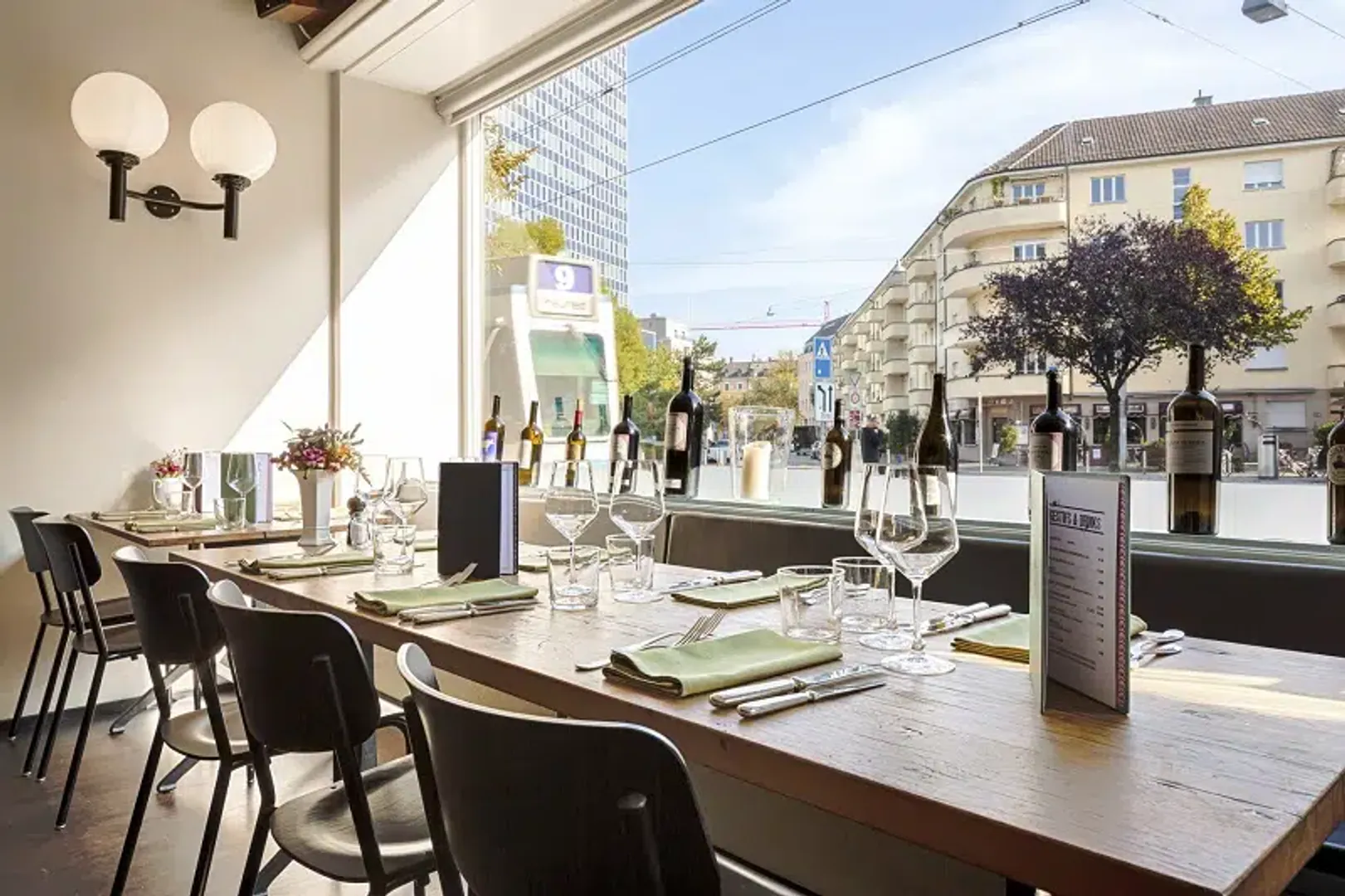
Gartenhof

Gartenhof is a great, relaxed restaurant with a constantly changing weekly menu, serving up Swiss and French cuisine. Its retro feeling gives the place a comfortable atmosphere and the garden area out front is perfect for a drink on those hot summer days. Cooking is characterized by tender meats and tasty sauces with reliance on seasonal products. The typical Zürich drink, Hugo, should not be missed. The menu is selective but diverse, and is accompanied by great service. An ideal choice for a quick after-work bite or a low-key dinner.

Zurich Hidden Gems
Zurich
[ November 1, 2026 by behnamsarkhoshdev 0 Comments ]

Zurich Hidden Gems

Hidden away and somewhat off the beaten track, these cultural locations are worth a visit. Some of these places are not on the tourist routes or have special opening hours. Here is a list of the hidden gems that shared by the locals:

Street Parade

Considering the size of the Street Parade, it might not appear quite so secret, yet few people are aware that Zurich sets the scene for one the largest techno parties in the world. Since the end of the Love Parade in 2010, Zurich became home to the largest techno parade in Europe, representing a celebration of freedom, love and tolerance. Up to one million people follow the peaceful yet energetic parade along the shores of Lake Zurich on the second Saturday of August each year, and around 30 Love mobiles filled with dancers and DJs spread rhythmic vibes that transform the city’s otherwise tranquil atmosphere into an animated and engaging party.

Pegasus Small World Toy Museum

Both the strange and enchanting can be found at Pegasus, where toys from days past are on display in all their unusual glory. Dating back as far as 1890, with over 4,000 original items, perhaps the most intriguing is the 700 Steiff teddy bears and the intricate model train set. Decidedly Swiss in its appeal, the store also has many unique and hard to find items.

MFO Park

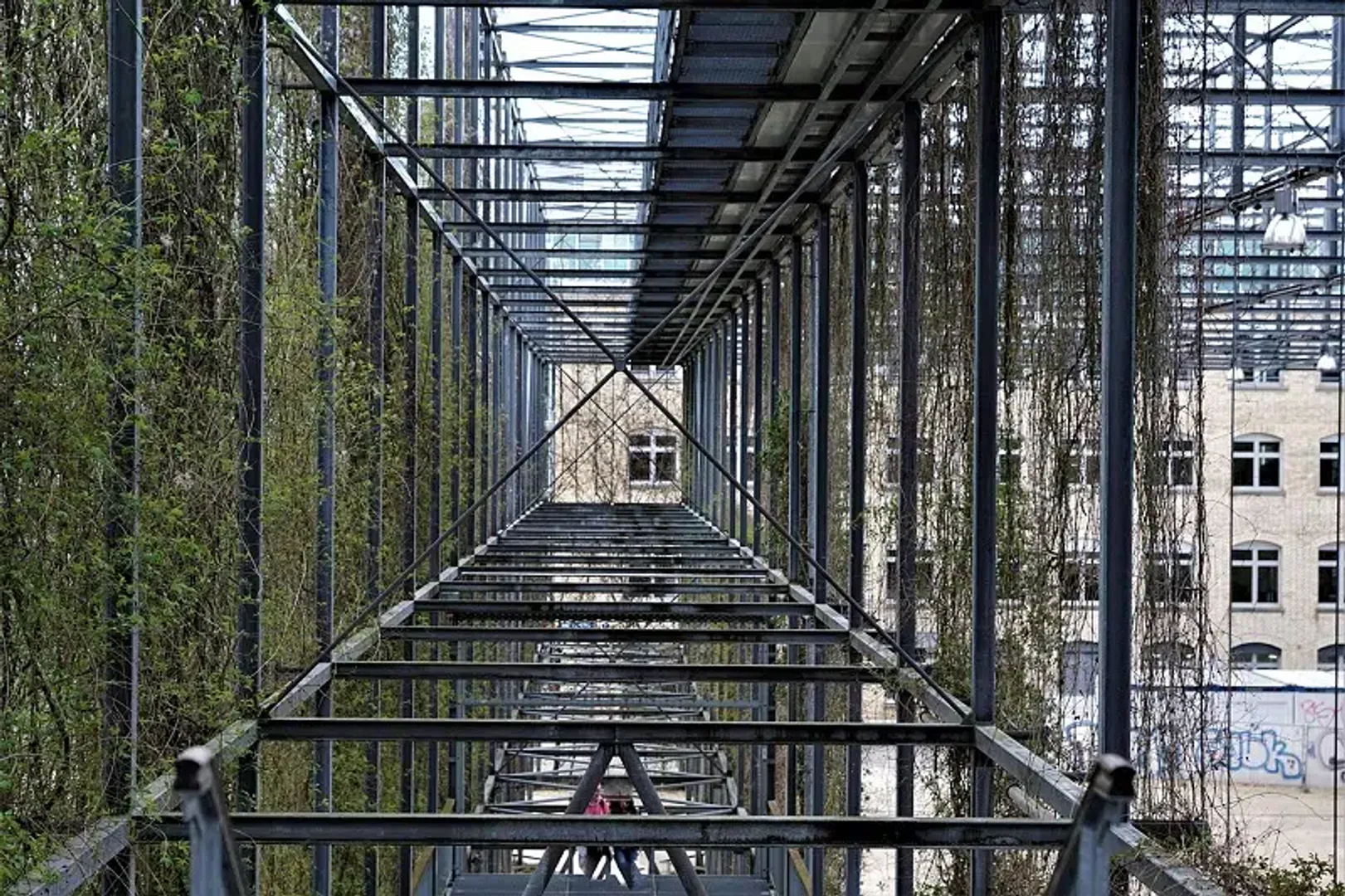
Created from the ruins of an old machine factory, vines snake up metal bars in this unique and otherworldly Zurich park. Great for unwinding and grabbing a few snaps of the truly unique design experience.

Cloister (Grossmünster)

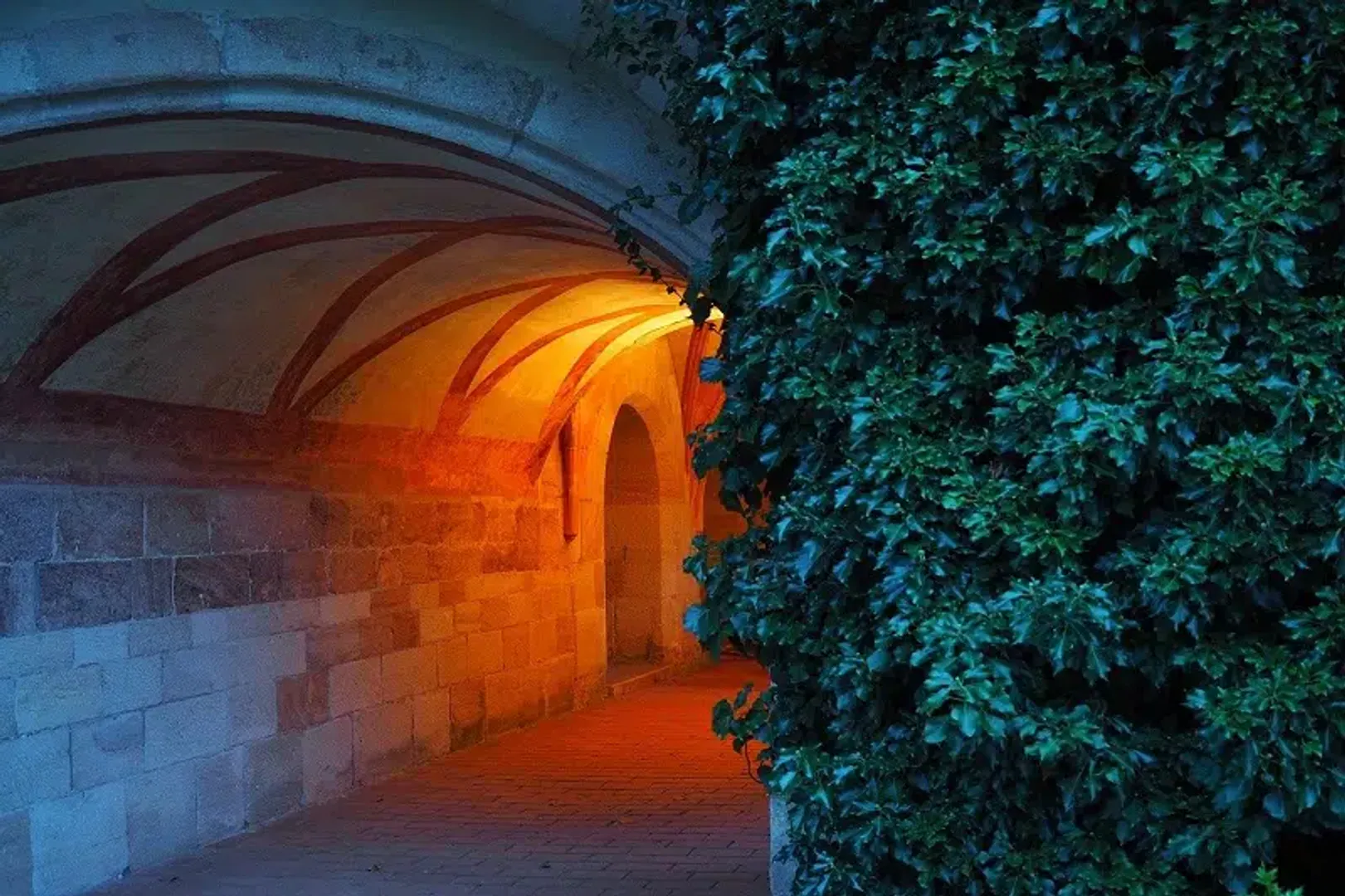
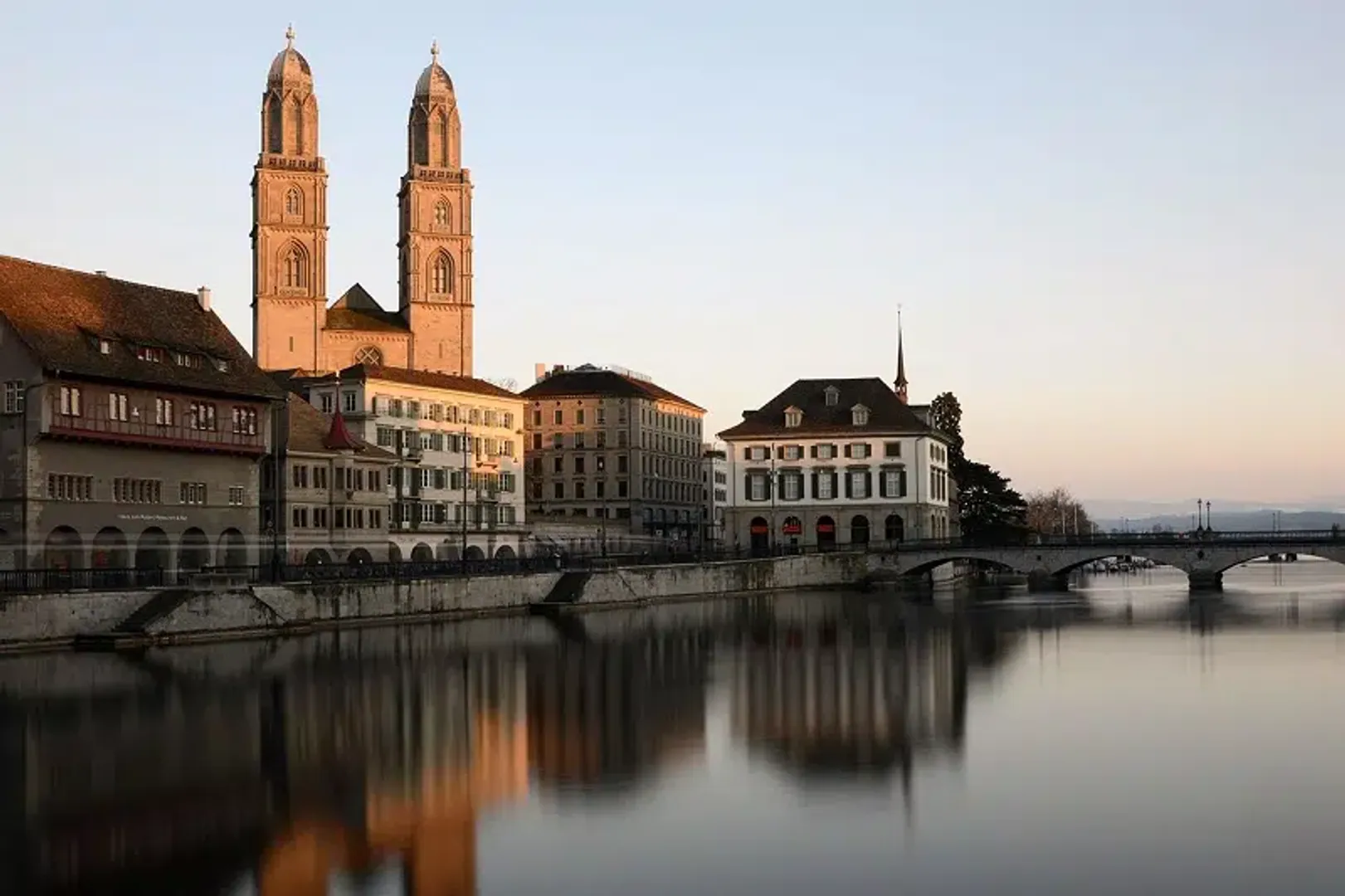
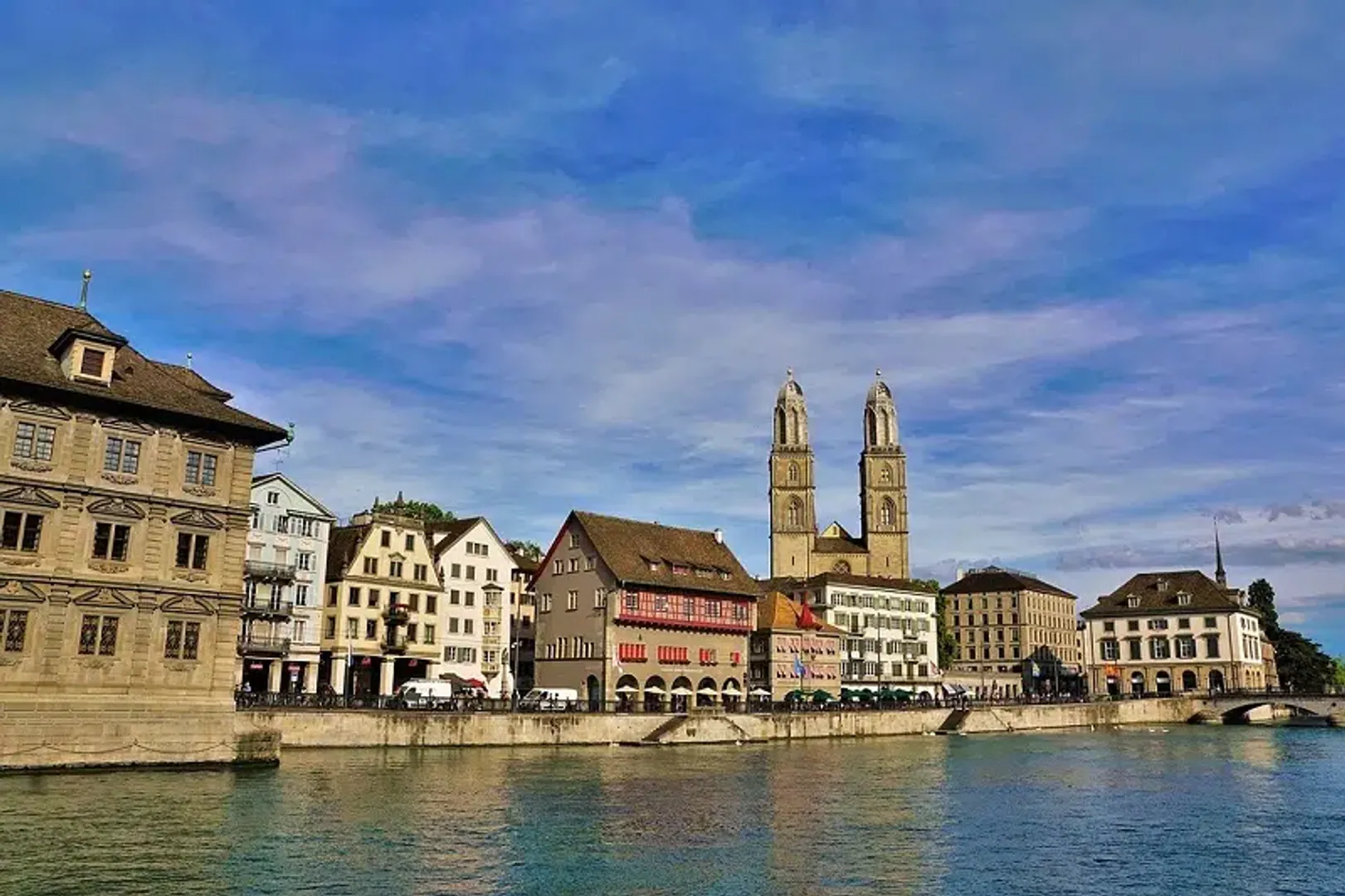
While many are familiar with the Grossmünster, not many knew that the church also has its own cloister. It is open to the public during weekdays. From the main entrance, there is a separate entrance on the left. The columns and arches feature animal scenes and gargoyles with ornamental plants. The compilation of the plants was inspired by the naturalist and universal scholar, Konrad Gessner.

Villa Patumbah

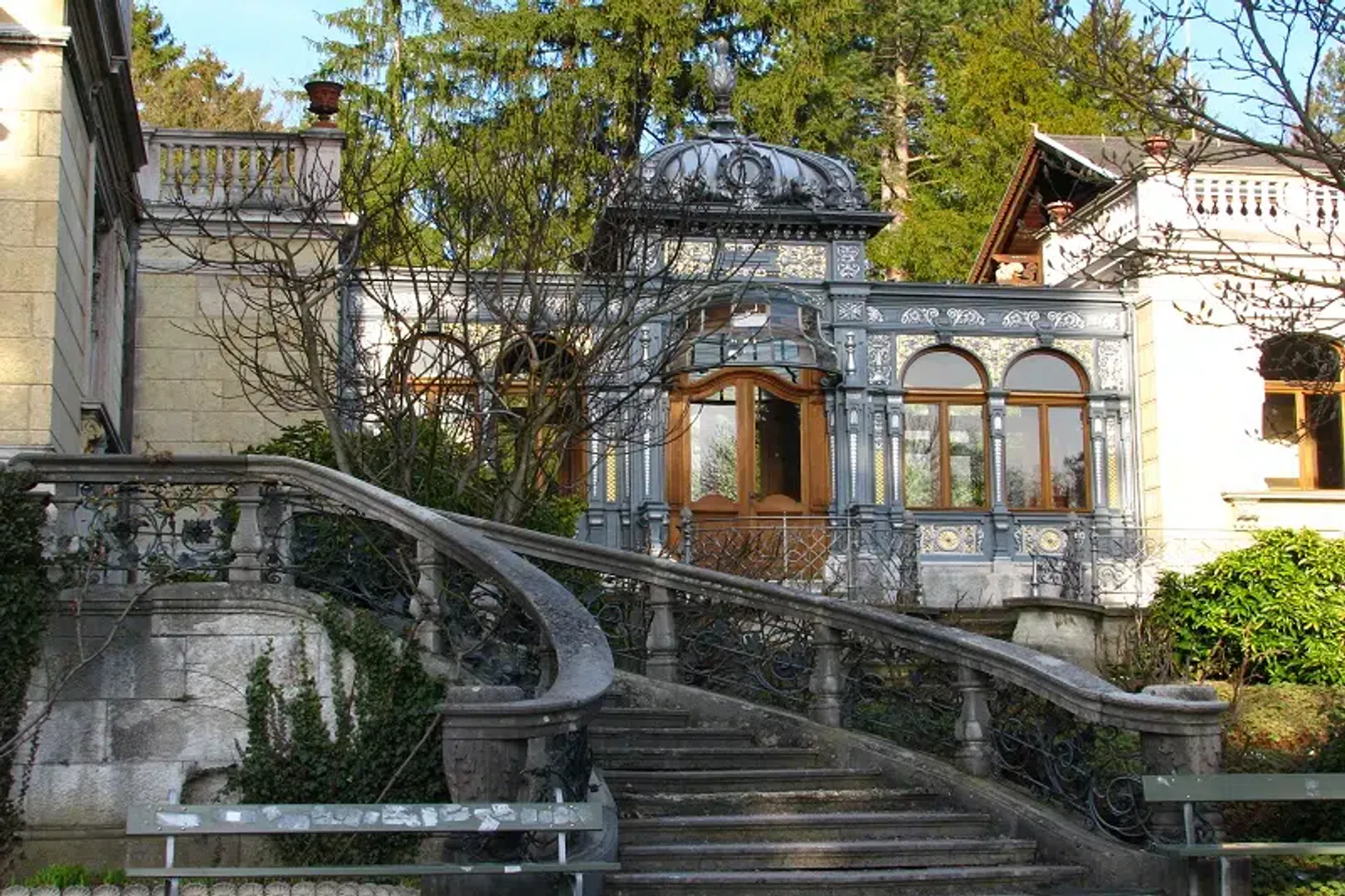
The villa is a gem of Zurich garden culture. On the first floor, you can explore interactive exhibition, architectural monument, and landscape. On the second floor, there is an Asian temple under a glass dome.

Wasserkirche

The Wasserkirche of Zürich, first mentioned as ecclesia Aquatica Turicensi around 1250 and as wazzirkilcha in 1256, is a church built on a small island in the Limmat, situated between the two main churches of medieval Zürich, the Grossmünster and the Fraumünster, at the Limmatquai and the Münsterbrücke.

Archäologische Fenster (archaeological windows)

Archäologische Fenster (archaeological windows), the Department of City Planning shows treasures from Zurich’s past, such as the ruins of a Roman fort, the remains of prehistoric pile dwellings, and the Ehgraben sewer, which reveals how a medieval town dealt with its waste and sewage problems.

However, a key is needed to visit the Ehgraben, Lindenhof-Keller, Stadtmauerkeller, and Brunngasse. It can be collected from Monday to Saturday from the Stadthaus (City Hall) at Stadthausquai 17, Counter 04 on the ground floor (please note opening hours).

Marc Chagall Church Windows – World famous Artwork at the Fraumünster

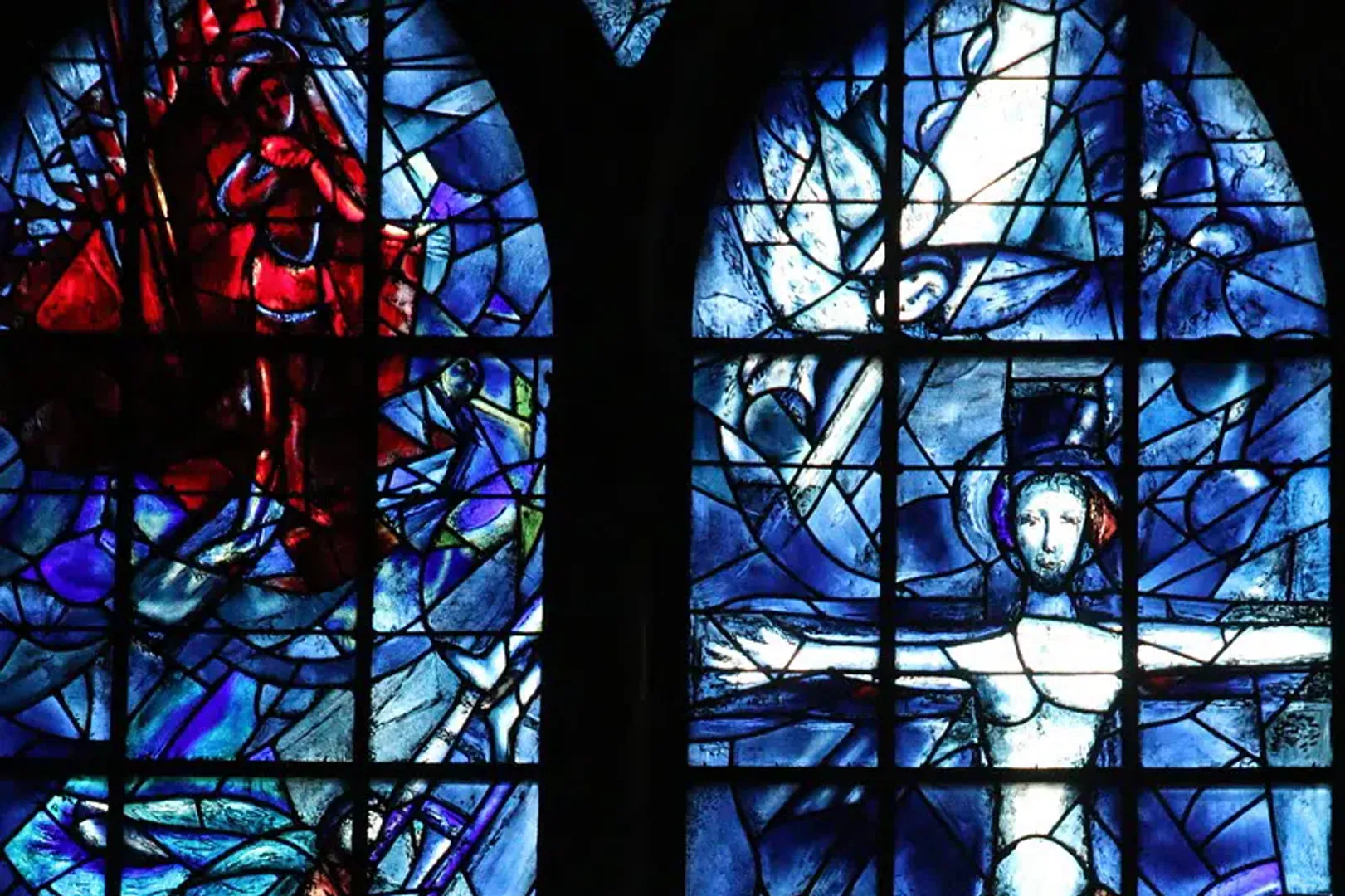
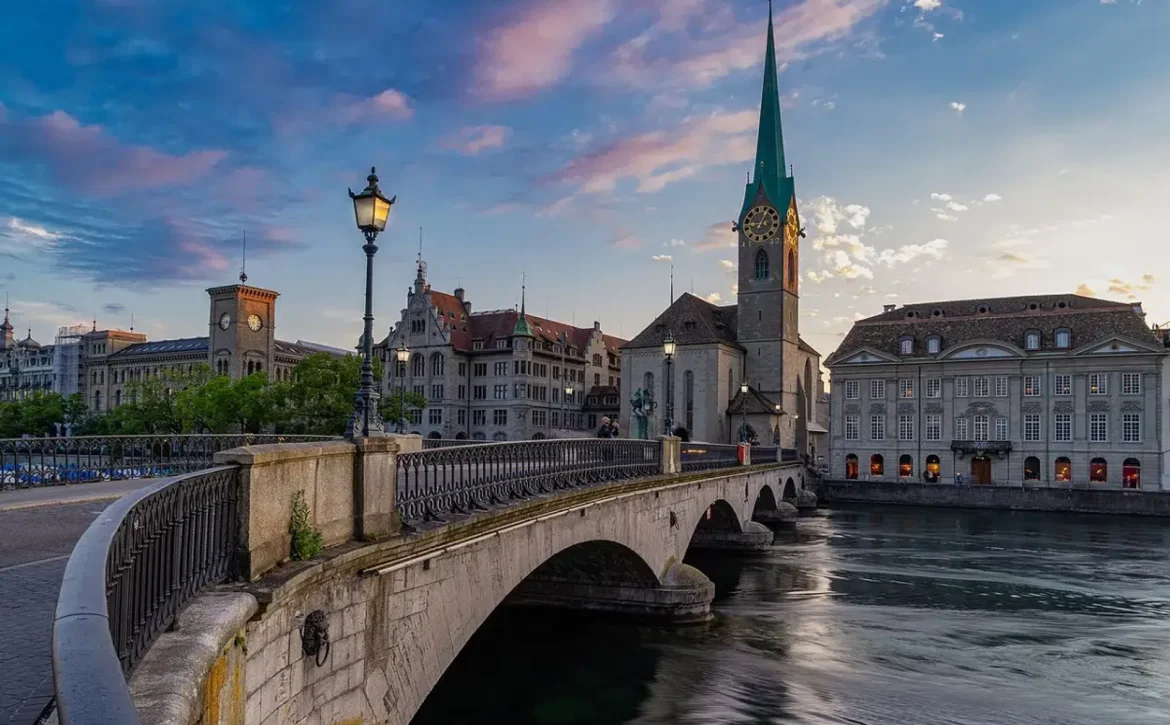
In the 1970s, Belarussian-born Marc Chagall created a five-part stained-glass window series and a rosette for the chancel of the Fraumünster church in Zurich. Marc Chagall remained true to his motto “When I create something from my heart, almost everything goes well” throughout his whole life.

Urania Observatory 

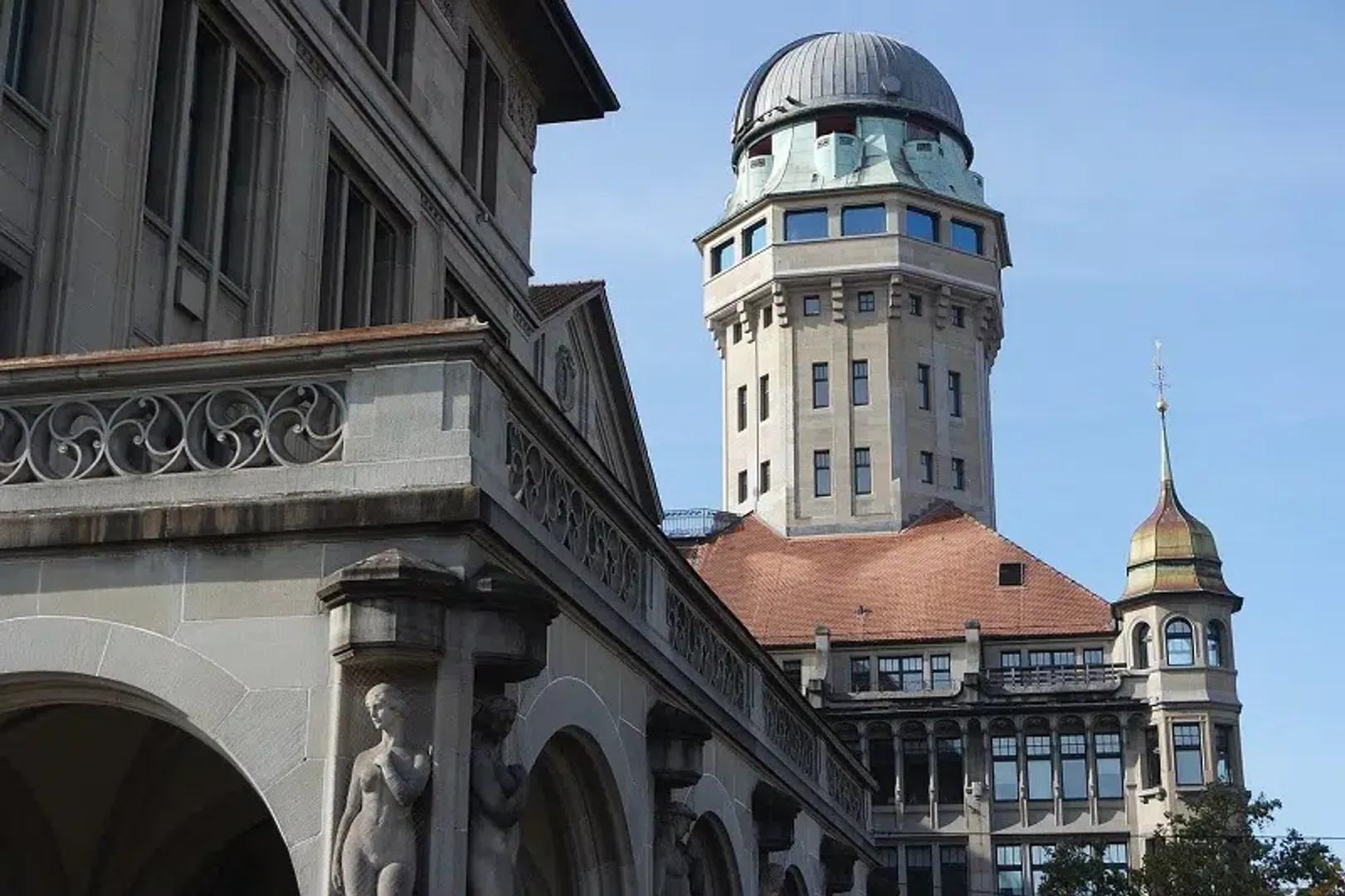
In the 50m (164ft) high round tower of the Urania observatory, visitors can observe the heavenly bodies through a telescope that allows magnifications of up to 600 times. The Urania observatory, which opened in 1907, was the first building in Zurich to be made from concrete. It is still one of the most distinctive buildings in the historical Old Town, and has been listed as a protected monument since 1989. The 12-ton Zeiss telescope underwent extensive renovation on the occasion of the observatory’s centenary in 2007.

Enge Church

It is considered the most important Neo-Renaissance church in Switzerland. This architectural gem, affectionately known by some locals as the “Sacré-Coeur of Zurich”, stands in an elevated location on a moraine hill. Built by architect and ETH professor Alfred Friedrich Bluntschli between 1892 and 1894, it offers a magnificent view of the lake basin and the city. On every second Thursday from May to September, the sexton of Enge Church invites interested visitors to join him on a tour of the tower and dome.

Zurich Attraction
Zurich
[ November 1, 2026 by behnamsarkhoshdev 0 Comments ]

Zurich Attraction

Old Town

In the midst of this modern financial powerhouse of a city is a neighborhood filled with historic charm, its narrow streets rising steeply on the east side of the river. Heading up Münstergasse, you’ll come to the Napfgasse, with the Brunnenturm, which was headquarters of the Lombard money-changers in the 14th and 15th centuries. Haus zum Napt, at number 6, has a fine interior with rooms furnished in Renaissance style.

You can get an overview of the Old Town’s warren of charming streets, as well as an orientation of the layout of the city, on the two-hour Zurich Highlights Tour. After riding through the Old Town and hearing the historic commentary from your guide, you’ll board the Dolderbahn railway to climb into the hills of the Zurichberg district for views of the Old Town and lake.

Uetliberg

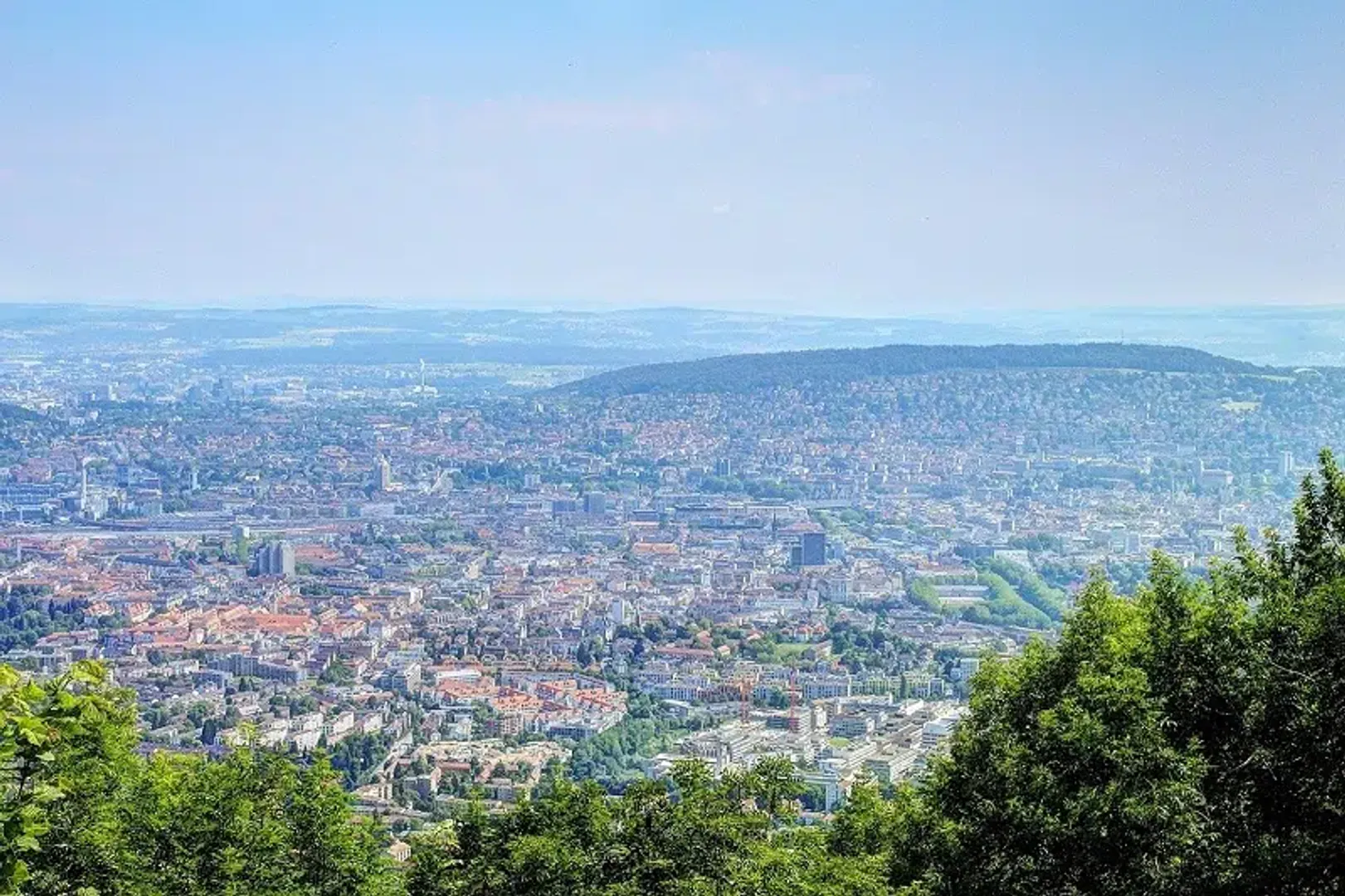
For the best views of the city and the lake, follow locals to their favorite weekend aerie, the 871-meter Uetliberg. Southwest of Zürich, the Uetliberg is the most northerly summit in the Albis ridge, easy to reach by the Uetlibergbahn, a mountain railroad that runs year-round from Selnau station to the upper station. From here it is a 10-minute walk to the summit. The broad walkway is well lit at night and leads to the summit restaurant, a glass-enclosed space with beautiful views of the city lights below. Daytime views from the lookout tower stretch across the Valais, Bernese, and Glarus Alps, with the Black Forest to the north and the Säntis to the east. From here, an easy ridge walk to the Felsenegg takes a little more than an hour, where a cableway descends to Adliswil. You can return to Zurich by the Sihltalbahn. Riding to the Uetliberg at night for a dinner of fondue and views of the city with its lights reflected in the snow is one of the locals’ favorite things to do in Zürich in the winter.

Lake Zürich and Bürkliplatz

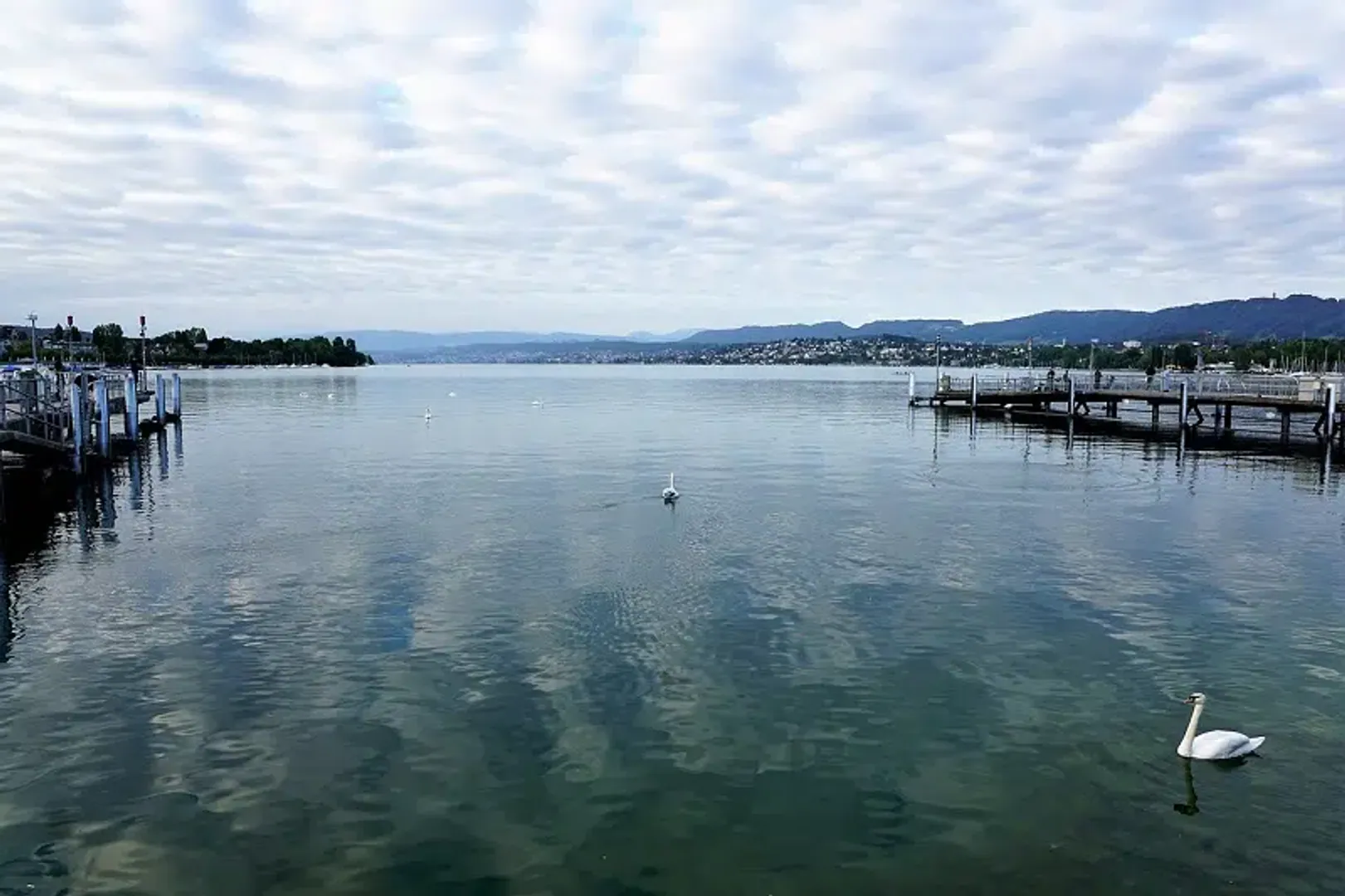
The focal point of Zürich, and a favorite playground for tourists and locals is the long Lake Zürich. The entire shore is lined with promenades and parks, where local residents catch the sun, jog, picnic, and swim in the lake. But the favorite way to enjoy the lake is on one of the many cruises from which you’ll see beautiful views to the Glarus Alps. Look for the steamer landing at Bürkliplatz, at the point where the Limmat flows from the lake. The Quaibrücke crosses the river to connect Bürkliplatz with Bellevueplatz. About 1.5 kilometers from Bellevueplatz is the beautiful Zürichhorn Park, built for the National Exhibition in 1939. Here, you’ll find a restaurant; a Chinese Garden; and a boat landing for the Limmatschiff, a boat that runs from the National Museum along the river to the lake, ending at Zürihorn.

Sechseläuten

The “Sechseläuten” (Spring Festival) takes place at Zurich’s most popular fairground directly adjacent to Lake Zurich every spring. Then the “Böögg” – an artificial snowman effigy, which is placed on a stake – is burned to say goodbye to winter and welcome the summer. The annual performances of the National Circus Knie and a Christmas market also takes place here.

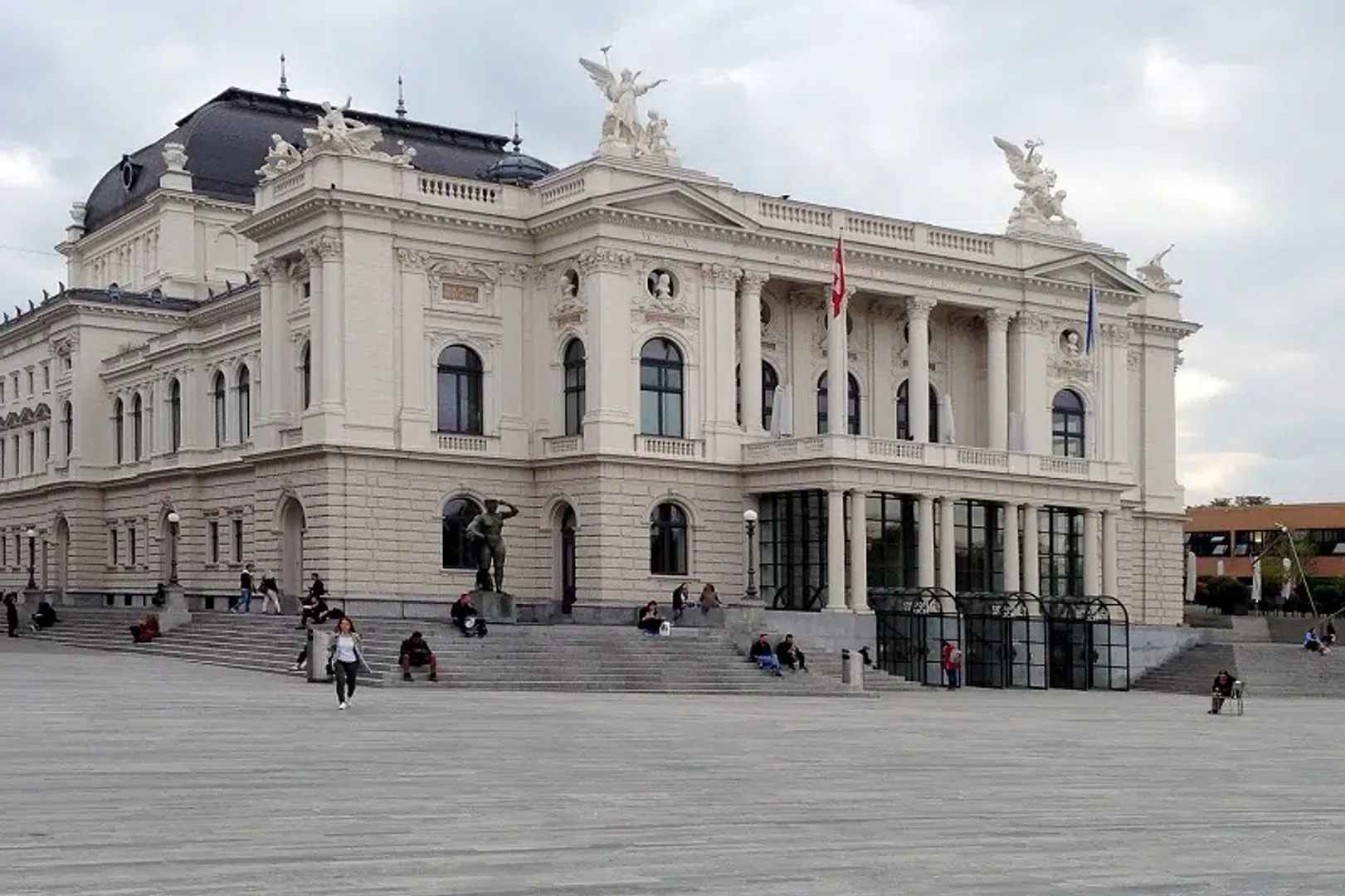
The opera and the “Bellevue”, an important tram stop in Zurich, are also located here. This is one of the largest city squares in Switzerland – created with 16,000 m² of elegant quartzite. Trees, places to sit and water elements make it a very attractive and really cozy spot.

Museum Rietberg

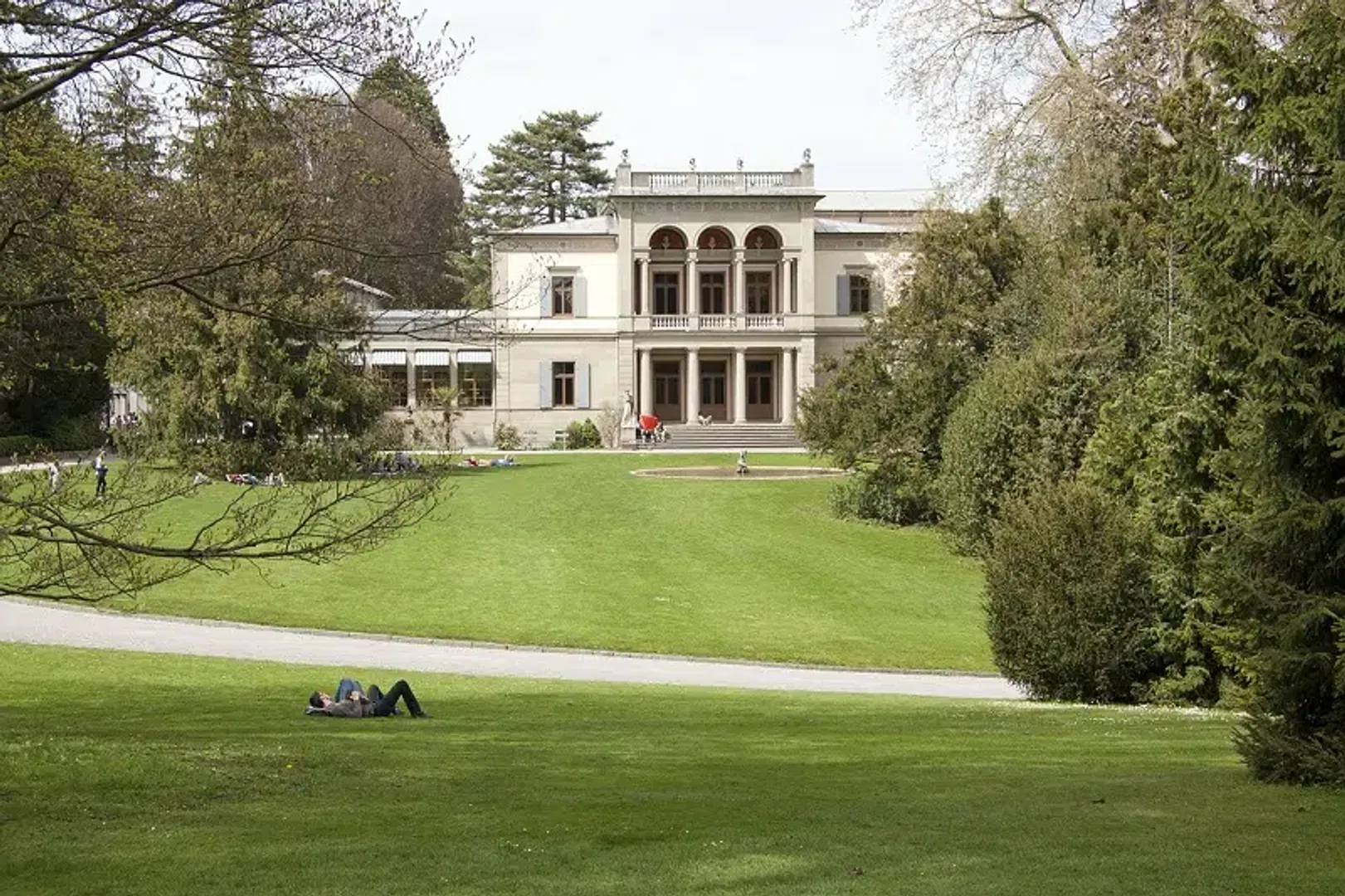
This art museum is the only art museum in Switzerland that focuses on non-European art, and has a substantial collection from Asia, America, Africa and Oceania. It’s also located in one of Zürich’s most beautiful parks.

Lindenhof

Between the Bahnhofstrasse and the left bank of the Limmat, the western half of Zürich’s old town rises steeply to the quiet tree-shaded Lindenhof. This is where the Romans built their fortified settlement in the fourth century to defend against migrations from the North. Five centuries later, the grandson of Charlemagne built a palace here as a royal residence. Long after remains of these structures had all but disappeared, some incorporated into buildings around the park, the site was still used for important ceremonies; in 1798 the oath confirming the Helvetic Constitution was taken here. Today, it’s a tree-shaded park with benches, chess players, and tourists enjoying the sweeping views across the river and Old Town.

Limmatquai and the Rathaus (Town Hall)

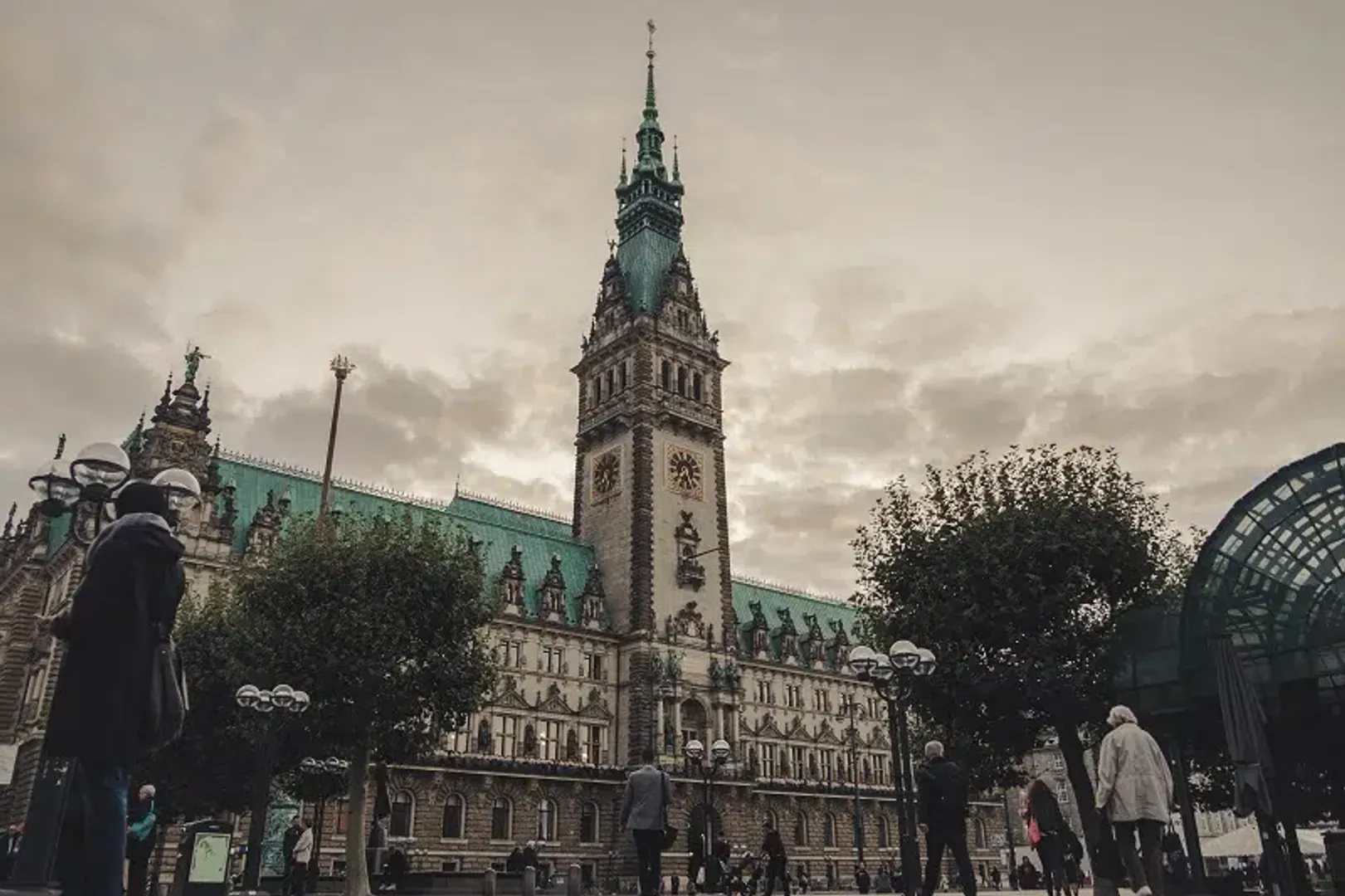
Along the Limmatquai, a popular riverside shopping street, are a number of elegant old guild-houses with sumptuous interiors reflecting the wealth of the guilds which governed the town until 1789. Many of them now house restaurants, so you can get a look inside at the 1719 Haus zur Saffran (number 54); the 1660 Haus zur Rüden (42); and the two-storied Haus zur Zimmerleuten (40) from 1709, with a beautiful oriel window. Zürich’s Town Hall, the Rathaus, is easy to spot, as it overhangs the river and is supported on wide arches at the east end of the Rathausbrücke. Constructed between 1694 and 1698, the massive Late Renaissance building has rich sculptured decoration and a Baroque ceremonial hall that is well worth seeing.

Fraumunster Church

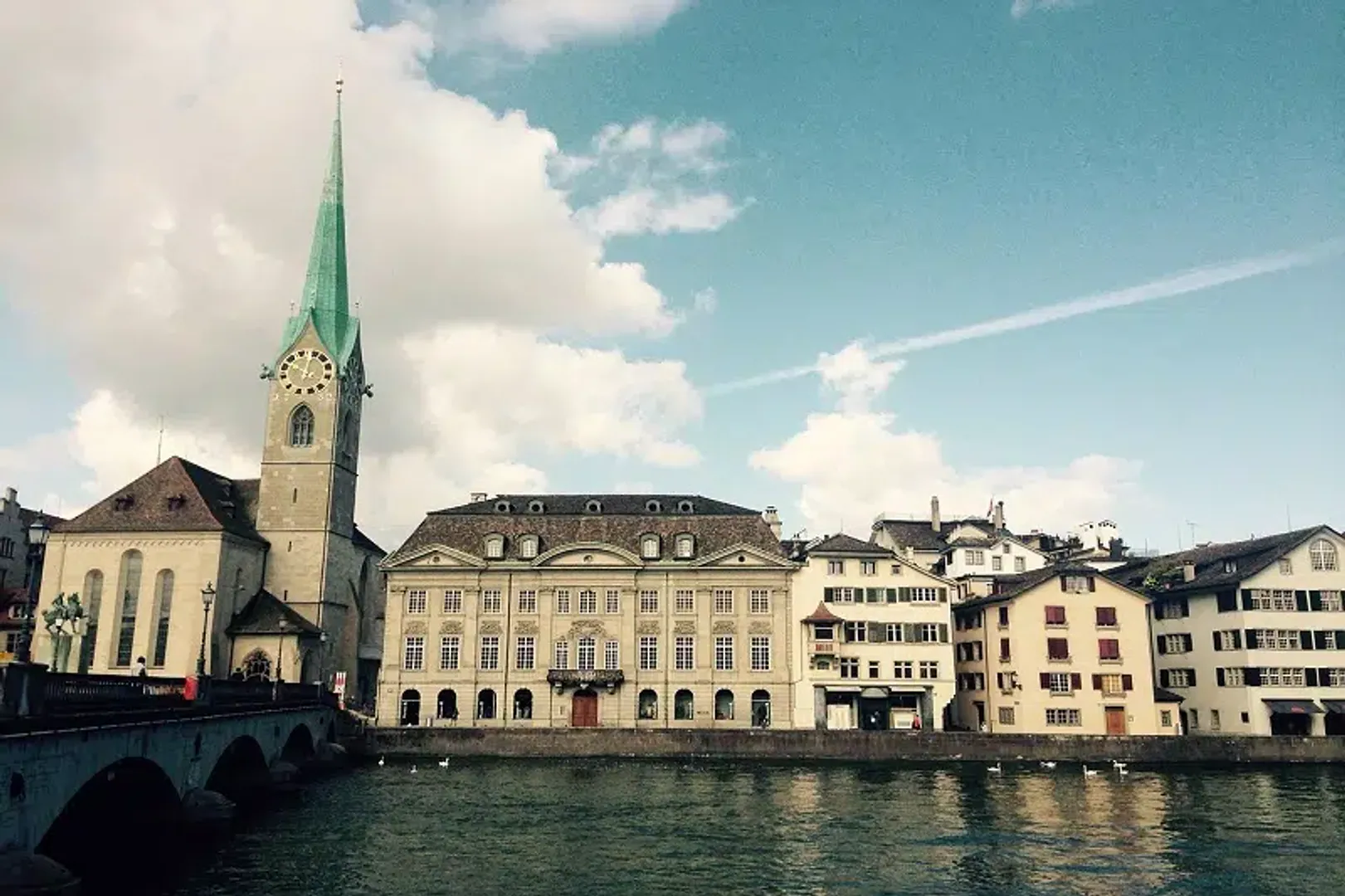
This prominent 13th-century Gothic cathedral is perhaps best known for one of its more recent additions, stained-glass windows designed by Marc Chagall in the 1970s.

Zurich Zoo

More than 360 different animal species live in the exotic world of the Zurich Zoo, one of the finest in Europe. Animals live as close to their own environments as possible: snow leopards amid the rocky Himalayan landscape, penguins swimming in chilly water, and you can spot flying foxes from a canopy walk amid 13,000 square meters of tropical rainforest. In the Kaeng Krachan Elephant Park, you can watch the Asian elephant family play with their baby and swim in their multi-environment outdoor complex, which was designed to resemble their natural Thai habitat. Trams and trains run to the zoo from the main train station and the Paradeplatz.

Chinese Garden

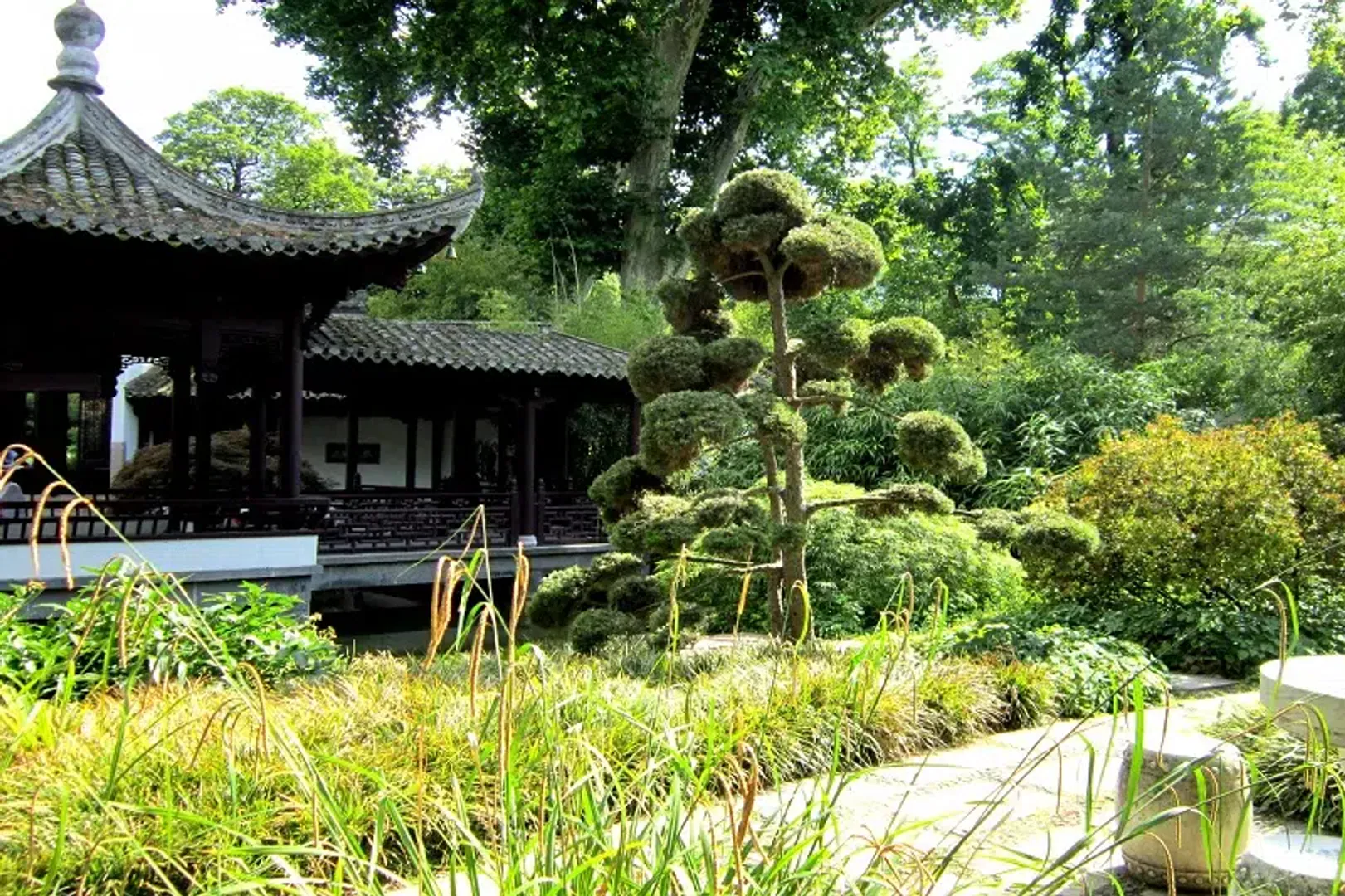
The Chinese Garden is located right by the lake at the Zürichhorn and was a gift from the city’s Chinese partner town of Kunming. At the center is a pond with a small island, pavilions and even a small palace on the banks. It is classed as a temple garden and is one of the highest-ranking gardens outside of China.

The garden was given in thanks for the technical and scientific support provided with expanding drinking water supplies and urban drainage in Kunming.